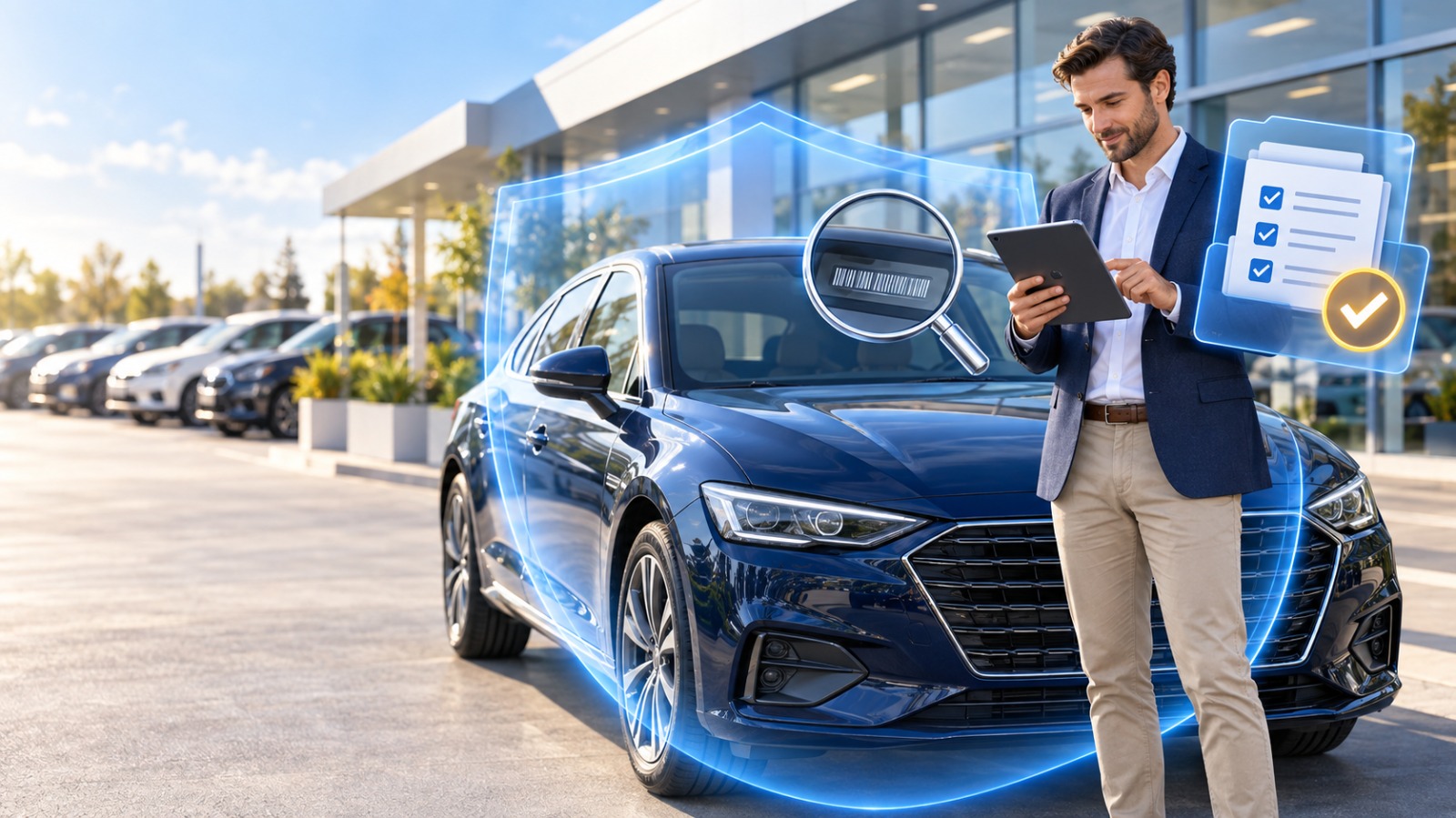
Buying a car is a major financial commitment, whether you are purchasing a brand-new model or choosing a used vehicle from a private seller. While most transactions are completed without serious problems, buyers should still take sensible precautions before handing over their money.
A tempting price or impressive set of photographs should never replace proper research. Taking time to verify the vehicle, seller, paperwork, and payment arrangements can reduce the risk of expensive surprises.
Verify Who You Are Buying From
Start by establishing exactly who is selling the vehicle. When dealing with a dealership, research the business and check its reputation. For a private sale, make sure the seller's identity and documentation are consistent with the information provided about the vehicle. Be cautious if someone refuses reasonable requests for information, creates unnecessary urgency, or pushes you toward an unusual payment method.
Take Extra Care With Long-Distance Purchases
Online marketplaces make it possible to find vehicles well beyond your local area. This can increase your choice, but buying remotely requires additional checks. If purchasing a vehicle in Northern California, for example, you might compare Oakland car transporters when considering how to get the vehicle home. Before arranging transportation, make sure you are satisfied that the vehicle and seller are genuine. Avoid treating shipping arrangements as proof that a sale itself is legitimate.
Check the Vehicle's History
A used vehicle's appearance only tells part of its story. Obtain the vehicle identification number and use appropriate services to investigate its history. Depending on the information available in your jurisdiction, you may be able to uncover previous accidents, title problems, mileage discrepancies, or other issues. Compare these records with what the seller has told you. Any unexplained inconsistencies deserve further investigation before you proceed.
Arrange an Independent Inspection
Unless you have suitable mechanical expertise, consider having a used vehicle inspected by a qualified independent professional. An inspection can identify mechanical problems that are not immediately obvious during a short viewing. The cost of an inspection may seem inconvenient, but it can be small compared with repairing major engine, transmission, suspension, or electrical problems after the purchase.
Read Everything Before Signing
Do not treat contracts and other paperwork as a formality. Read the terms carefully and make sure the agreed price, vehicle details, warranties, fees, and other important conditions are recorded correctly. Never sign blank or incomplete documents. If a contract contains terms you do not understand, seek appropriate professional advice before committing yourself.
Use a Secure Payment Method
Large payments deserve particular care. Be suspicious of sellers demanding unconventional payment methods or asking you to send money to an unrelated third party. Keep copies of payment confirmations, invoices, correspondence, advertisements, and other records connected with the transaction. Good documentation may become valuable if a disagreement arises later.
Don't Let Excitement Override Caution
Finding the exact car you want can make it tempting to move quickly, particularly when the seller claims other buyers are waiting. Give yourself enough time to investigate the purchase properly. Verify the seller, research the vehicle, inspect its condition, understand the paperwork, and use secure payment arrangements.
The laws governing vehicle purchases and consumer rights vary by jurisdiction, so obtain local legal advice if you have concerns about a contract, title, suspected fraud, or your rights in a particular transaction